
RRM Minneapolis Release Destinations
RRM Minneapolis manages federal community placement rather than operating as a lockup. Its work can include relationships with residential reentry centers and home confinement. A person associated with the office may already be outside a secure federal institution while still serving a BOP custody phase. Community confinement is therefore not identical to final sentence expiration or the end of federal supervision.
A later federal release may lead to the community under supervision, another authority, or completion of the BOP custody term. The BOP locator’s location and release wording must be read together. “Released” or “Not in BOP Custody” can mean the person is no longer held by BOP, but BOP warns that another correctional or justice system may still have authority. The federal court docket can show the sentence and supervision framework.
Confirm RRM Minneapolis Releases
The BOP Inmate Locator is the main public federal search. It accepts BOP Register, DCDC, FBI, or INS numbers, or a name with demographic fields. Number searches are best when an identifier is known. Name results must be matched carefully because RRM Minneapolis manages placements for a region rather than one Hennepin County jail population.
- Search by BOP Register Number or another accepted federal identifier when available.
- Otherwise use the complete name and narrow with age, race, and sex.
- Compare Register Number, age, location, and Release Date.
- Read “Released” or “Not in BOP Custody” with the listed location.
- Check the federal court docket for sentence and supervision context.
- Contact the relevant federal office when the public result does not resolve a transfer.
The locator generally covers federal inmates released after 1982. Earlier federal prison records may require the National Archives. The system does not establish a Hennepin County jail release unless the person also had a separate HCSO booking. For a local custody episode, search the county roster and its Released Date/Time independently.
When a name search produces several records, do not use release date alone to choose one. Compare the Register Number, age, race, sex, known sentence, and court case. A demographic difference may reveal a namesake. If the federal docket identifies a Register Number, carry that identifier through every later check. The docket can also distinguish an RRM-managed placement from a term of supervised release imposed by the court.
RRM Minneapolis Release Fields
A BOP result can show Register Number, age, race, sex, Release Date, and Location. These fields identify a federal record, but they do not answer every question about community placement. A past Release Date combined with “Released” or “Not in BOP Custody” supports the end of BOP custody. It does not establish the end of supervised release imposed by the federal court.
| Federal field | What it establishes |
|---|---|
| Register Number | Unique BOP identifier for matching the record. |
| Location | Current or final BOP location wording. |
| Release Date | Reported federal custody release date or projection, read with status. |
| Released | Person is no longer in the listed BOP custody status. |
| Not in BOP Custody | BOP no longer holds the person, but another authority may. |
The official BOP records explanation warns about the scope of these terms. It is safer to state the exact locator result than to translate it into unconditional freedom. A court record, another agency locator, or supervision office may be needed to complete the timeline.
Note: A BOP release date and “Not in BOP Custody” status do not rule out another custody authority or federal supervision.
RRM Minneapolis Release Contact
The research identifies the official BOP RRM Minneapolis page as the office source. It does not provide a verified street address or phone for publication in this project, so none should be inferred. Use the official BOP page and locator to reach current federal information. Do not substitute the address of a residential reentry center, federal prison, or county jail for the RRM field office.
RRM Minneapolis
Federal Bureau of Prisons
Residential Reentry Management field office
Official channel: BOP RRM Minneapolis page
Public status route: BOP Inmate Locator
Facility-specific or placement questions may involve a contractor under RRM oversight. Verify the named placement from the federal record before contacting an outside location. A vague association with Minneapolis is not enough to identify a current bed, home-confinement address, or release point. Privacy and safety limits may restrict details about an individual placement.
For a historical record, ask the federal office that owns the specific data. BOP is the source for its custody history and locator fields. The sentencing court maintains the judgment, docket, and supervised-release terms. A contractor may hold placement records within the limits of its role, but its public contact should not be guessed. Separating these owners keeps a current-location question from being sent to an office that only manages older court documents.
RRM Minneapolis Custody Role
Residential Reentry Management is a federal transition structure. It differs from FPC Duluth, FMC Rochester, and FCI Sandstone, which are federal institutions elsewhere in Minnesota. It also differs from U.S. Marshals Service pretrial detention. USMS manages federal pretrial detainees and may use local or contract beds, while BOP manages sentenced federal custody and reentry placements.
That agency split determines the search. A sentenced person with a BOP record belongs in the BOP locator. A federal pretrial detainee may not yet have a normal BOP prison release record, so the federal docket, holding agency, and USMS district channel are more useful. A Hennepin roster disappearance can reflect transfer to federal authority and should not be called a community release without confirmation.
RRM placement can also sit between secure prison and the end of BOP custody. A person in a residential reentry center may live at a contracted site with approved community movement. Someone in home confinement may reside at an approved address under restrictions. Neither status is the same as being housed at the RRM field office. The office manages the relationship, so its name should not be published as though it were the person’s physical detention address.
- RRM
- A BOP field office that manages federal community placements and related contracts.
- Community confinement
- A structured placement outside a conventional prison while a federal custody phase may continue.
- Home confinement
- A restricted federal placement in the community, not the same as sentence expiration.
- Supervised release
- A court-ordered federal supervision term that can follow BOP custody.
Read RRM Release Results
The official BOP Inmate Locator shows the search route used for federal prison and RRM-related release research.
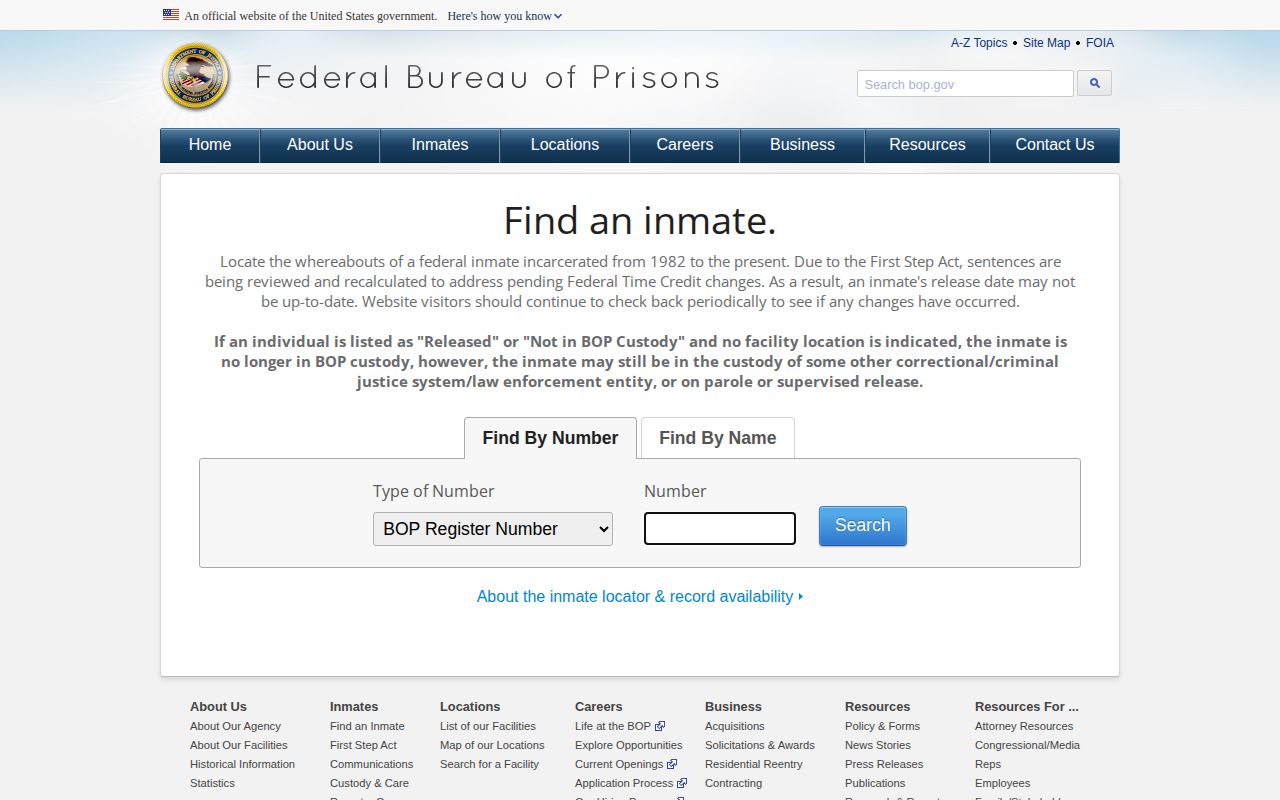
The locator screen should be used with a Register Number when possible, then checked against the federal court and the exact status text.
The BOP explanation of released records adds the limits that apply to the result.
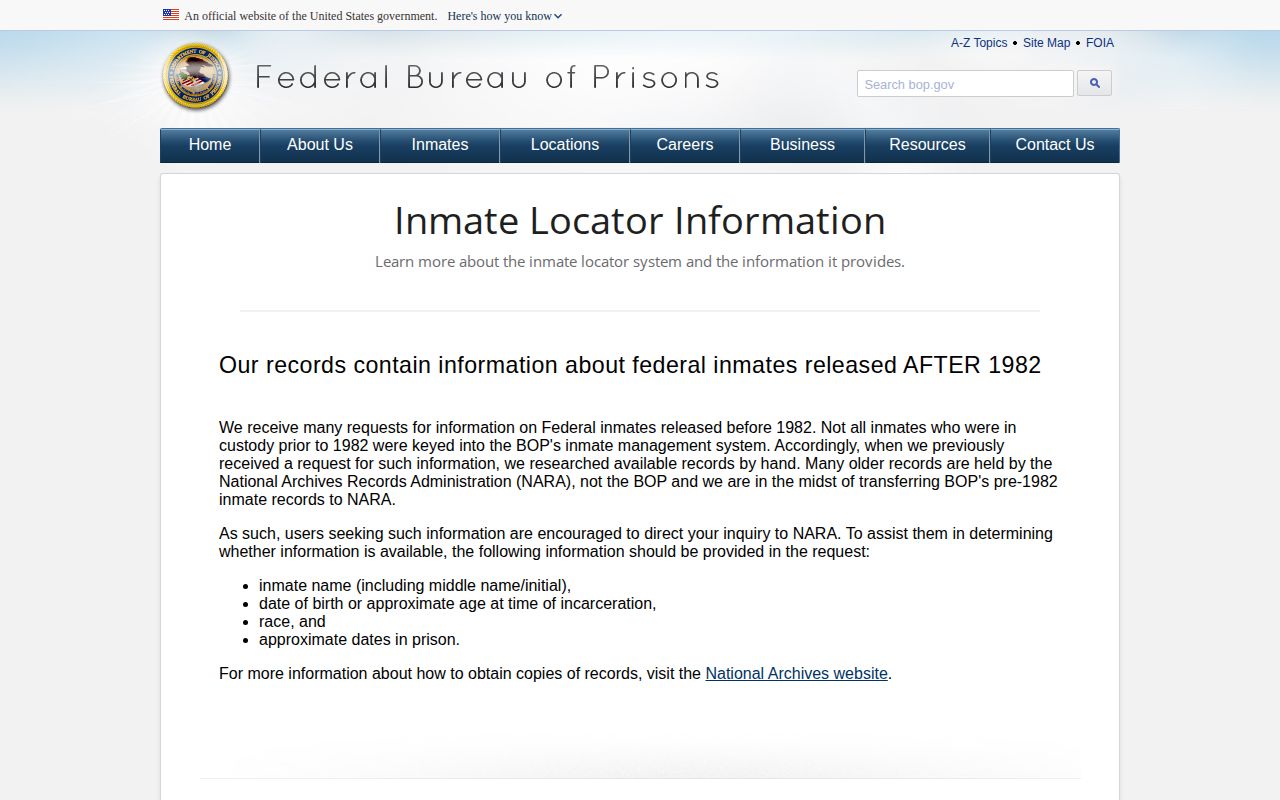
That official context is why “Not in BOP Custody” should be quoted accurately and not expanded into a claim about every other authority.
Map RRM Minneapolis Releases
Hennepin’s local facility map includes county, state, federal, and immigration paths. The downtown Sheriff jail and Plymouth ACF have county operators. MNDOC institutions are outside Hennepin County. RRM Minneapolis is a federal management office rather than a county facility. The federal institutions serving Minnesota are also outside the county.
Each boundary can be a transfer. A person can leave HCSO, enter USMS custody, later enter BOP custody, and then move through RRM-managed community placement. Those events should be traced through the county release or transfer record, federal docket, BOP locator, and placement information in order. The Hennepin County release search supplies the local starting point when a downtown booking preceded the federal case.
A sound timeline records each authority separately: HCSO received and released dates, the USMS detention stage, the BOP institution and projected or actual release, the RRM placement, and the court’s supervision term. One date cannot stand for all five. If records conflict, use the government source that created the field and seek clarification through its official channel rather than choosing the newest web result.
Federal release research should also retain the search date. BOP status can change as a person moves from an institution to an RRM-managed phase and then leaves BOP custody. A saved screen can aid navigation, but the live federal record remains the source to verify. Recheck the locator near the reported date and use the docket for any court-imposed supervision that follows.
Keep the Register Number with every saved result so later status changes remain tied to the correct federal record.